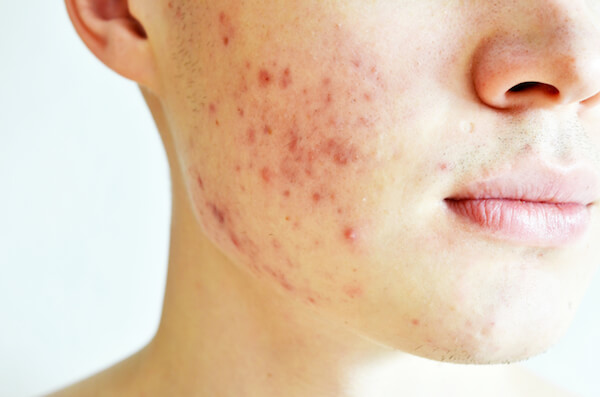
A food allergy is an immune system reaction that happens soon after eating a particular food. It just takes a small bit of the allergic food to cause symptoms like upset stomach, rashes, or widened airways. Some people can experience severe symptoms from a food allergy, including the potentially fatal anaphylactic reaction. Up to 4% of adults and 8% of kids under the age of five are thought to have food allergies.
Here is the tips that can help to protect your life in case you have this allergy case:
1.Before purchasing any product, read the label.
Although it may be obvious to read food labels to avoid things you are allergic to, research has shown that unclear food labels may increase the likelihood that customers with food allergies will develop an allergic reaction. Customers who are concerned about food allergies typically mistake food warnings suggesting the possibility of exposure to food allergens that indicate “may include” or “made on shared equipment,” according to research.
- Recognize your symptoms and warning signs
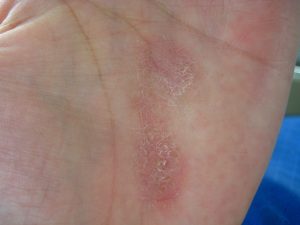
You must get familiar with the warning signs and symptoms of allergic reactions, such as anaphylaxis, if you have a food allergy. Understanding the early warning symptoms of a response could save your life. because you will immediately realize it before it’s too late.
- Be upfront about your sensitivity, and always ask what ingredients a restaurant uses before you eat there.
If you have food allergies, going out to eat may be difficult. Food may be cooked on surfaces that may cause allergies in many locations that use trigger-containing products. It can be beneficial to inform people of your food allergies in order to manage them. Being open about your triggers can help you avoid uncomfortable situations or questions, and it can also help you alert others to your allergy symptoms in case you experience an allergic reaction. Having knowledge will allow them to know what to give you and what not to give you.
4.Keep alternatives and products devoid of triggers in your cabinet.
Keep options and goods devoid of triggers in your cabinet. Even if your allergy prevents you from enjoying any of your favorite dishes, you can stock up on replacements that don’t include any of your allergens and still enjoy them. It may be less likely to prepare a dish that will trigger an allergic reaction if trigger-free items and replacements are utilized.